
Charging the Go-Pod 12V leisure battery
A simple guide to the different ways to keep your Go-Pod’s onboard 85Ah leisure battery charged, including mains hook-up, towing, solar and external battery packs.
On this page4 sections
Mains electricity 240V
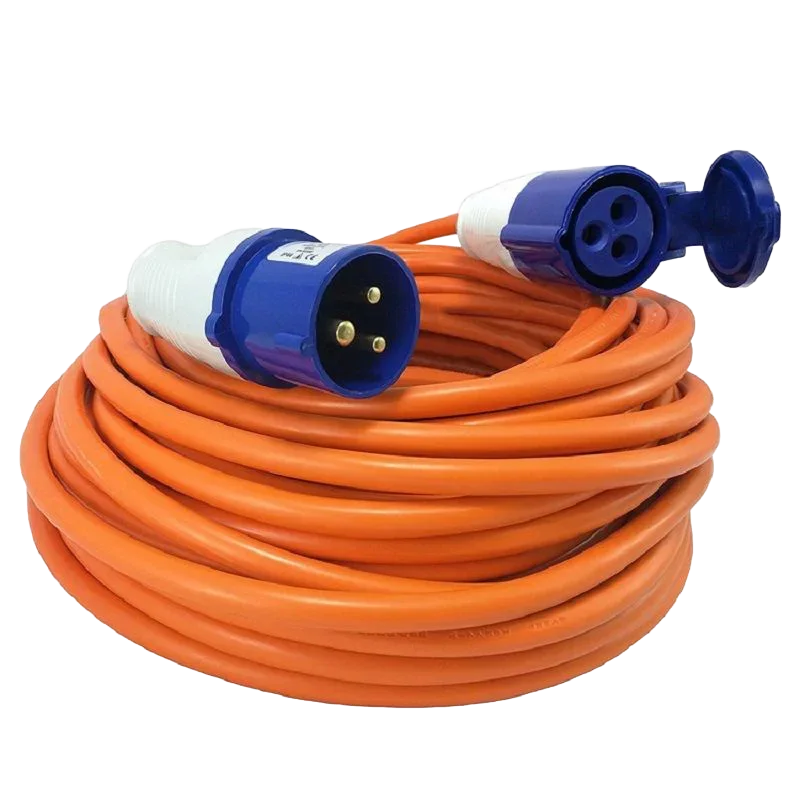
The fastest way by far is to connect your Go-Pod to a mains electricity supply using a mains connection cable. These cables are generic and universal to caravans, and can be used at campsites with standard hook-up points.
The standard connection can be used to plug in at campsites, or a suitable 3-pin 240V adapter can be used to plug the Go-Pod in at home.
No control panel buttons needed
When connected to mains hook-up, the onboard leisure battery will begin charging automatically. The control panel is for using and checking the 12V system, not for starting mains charging.
What you’ll need
For mains charging, you’ll usually use one of these two connection options depending on whether you are on a campsite or charging at home.
Mains connection cable
Used for standard campsite hook-up points. The male end (with pins) plugs into the bollard, and the female end (with holes) slots into your Go-Pod’s mains hookup socket.
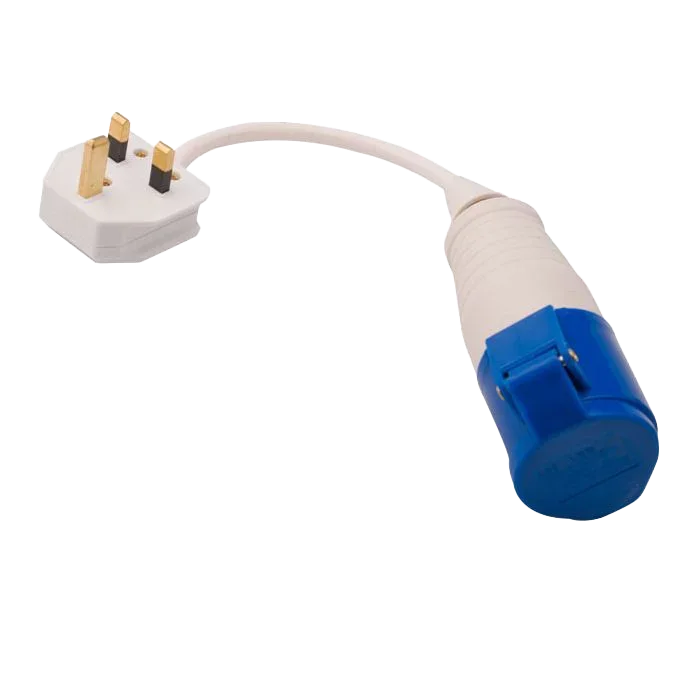
240V 3-pin adapter
Used for charging at home from a suitable socket. The male end plugs into the adapter, which in turn goes into a standard 3-pin plug socket in your home.
Charging while towing

Your Go-Pod leisure battery can also be topped up while travelling, provided your tow vehicle has the correct towing electrics fitted and wired correctly.
A 13-pin towing connection is recommended, as this can allow the vehicle alternator to help charge the onboard leisure battery while you drive. A basic 7-pin connection is usually only for the caravan road lights.
13-pin vs 7-pin towing electrics
The plug type matters. If you want the Go-Pod battery to receive power while travelling, check that your tow vehicle has a suitable 13-pin socket and that it has been wired for caravan charging.
Recommended
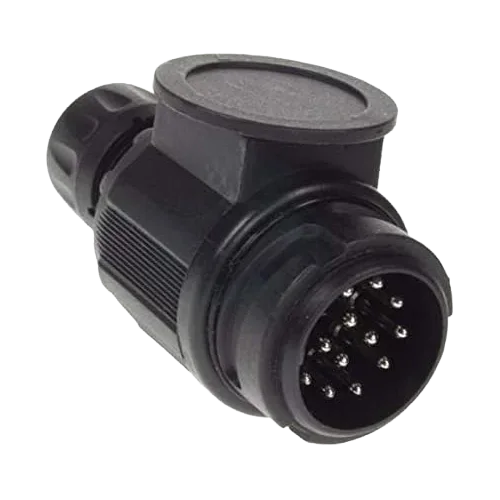
13-pin connection
A correctly wired 13-pin socket can provide power for caravan charging while towing.
Better for modern caravan electrics
Tops up your leisure battery & keeps the fridge running in transit
Limited
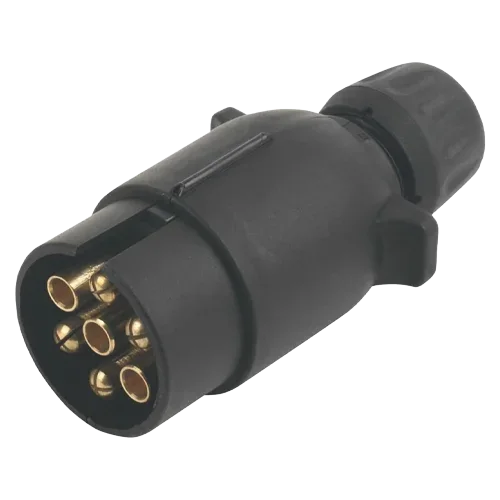
7-pin connection
A basic 7-pin socket usually powers the road lights only and should not be relied on for leisure battery charging.
Only powers the road lights
Doesn’t charge the leisure battery in transit
Avoid draining the car battery
If you are parked and using your car to supply power, make sure the engine is running where appropriate. Otherwise, you could deplete the tow vehicle’s battery.
Solar panels and external power packs
For off-grid camping or longer trips away from mains electricity, solar charging and portable power packs can help keep your Go-Pod’s leisure battery topped up.
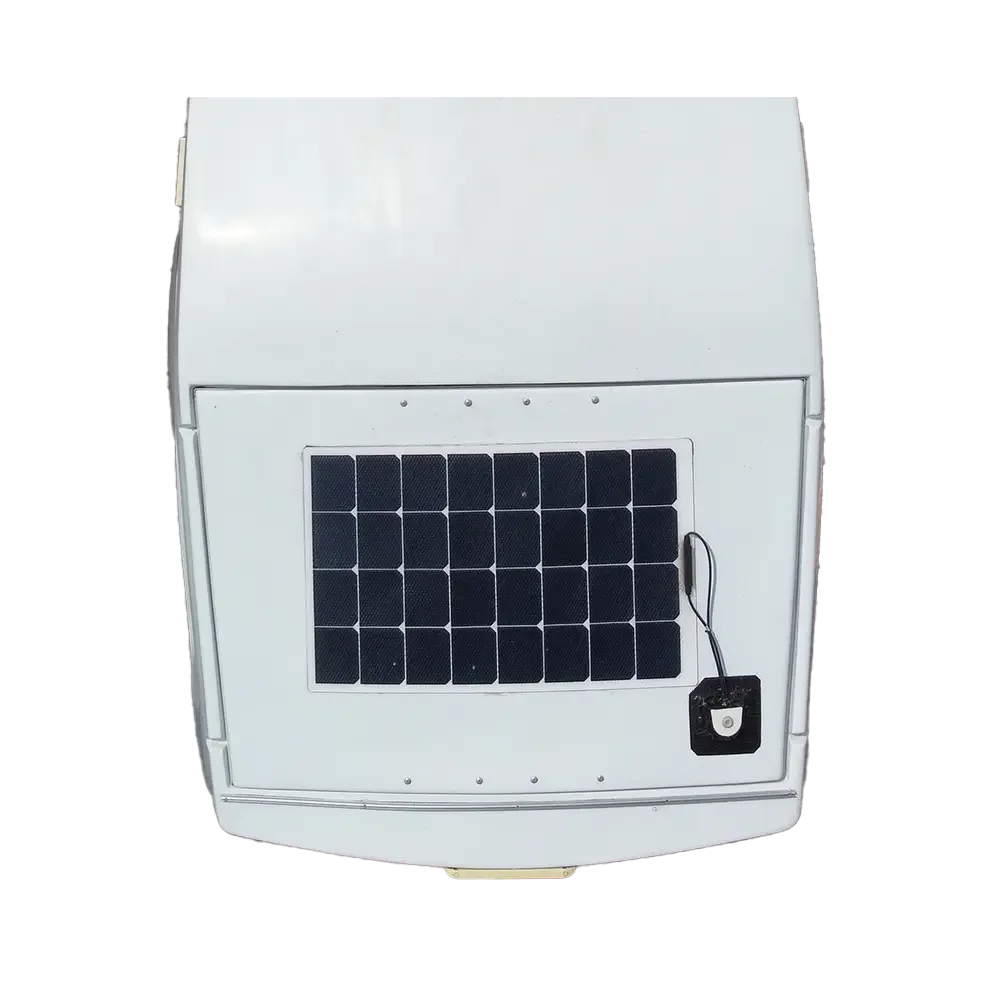
Best for passive top-ups
Solar panel charging
All Go-Pods are fitted with a 100W solar panel on the pop-top roof as standard. This helps trickle-charge the leisure battery, with output depending on sunlight, shade, weather and the time of year.
Think of solar as a helpful top-up, not an instant full recharge in poor light.
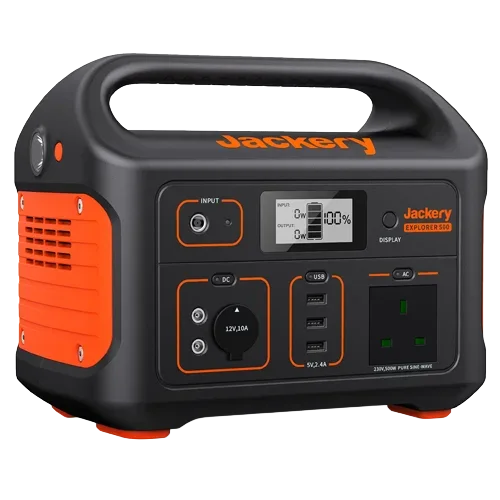
Best for off-grid backup
External power packs
Portable power stations can be useful for off-grid camping or as a backup power source. Some owners use them to support their camping setup when mains hook-up is not available.
Check capacity, output type and how you’ll recharge the unit before relying on it.
Use this guide as a practical owner reference
This page is intended to help Go-Pod owners understand common ways to charge and maintain the onboard 12V leisure battery. It is not a replacement for the official equipment manuals, professional electrical advice, or proper diagnosis if something is not working as expected.
Battery and electrical safety

If your leisure battery is not charging, draining quickly, overheating, producing unusual smells, or if any electrical equipment behaves unexpectedly, stop using the system and ask a qualified caravan technician for advice.
Use suitable caravan electrical equipment and cables
Do not attempt electrical repairs unless qualified
Follow the relevant manuals for your fitted equipment
Want to understand your Go-Pod electrics better?
Keep going with related Go-Pod owner guides, including the control panel guide and leisure battery maintenance advice.